


The bill seeks to eliminate certain aspects of Act 181 that were designed to enhance environmental protections in ecologically sensitive areas.
The Vermont Senate has formally approved a bill aimed at partially reversing the state’s contentious land-use law, Act 181, with a decisive 28-2 vote. The proposed legislation, known as S.325, will now be sent to Governor Phil Scott for his consideration.
The bill seeks to eliminate certain aspects of Act 181 that were designed to enhance environmental protections in ecologically sensitive areas. This decision comes as a result of mounting pressure from a coalition of rural property owners who have argued that the law infringes upon their property rights. The coalition gained momentum during significant public demonstrations against Act 181 earlier this year.
Senator Russ Ingalls from Essex played a significant role in mobilizing opposition to the law and believes that the movement will remain active as election season approaches, indicating that rural communities are becoming more politically engaged.
Although Governor Scott has criticized the environmental provisions in Act 181, he did not express approval for the bill's passage. Instead, his administration emphasized dissatisfaction with the Legislative body for not prioritizing housing reform more effectively.
Passed over Scott's veto in 2024, Act 181 was intended to make substantial changes to Vermont's long-standing development-review framework, Act 250. The legislation implemented a mapping initiative to determine which areas would require scrutiny for future development, aiming to facilitate growth in already developed regions while also introducing new environmental safeguards.
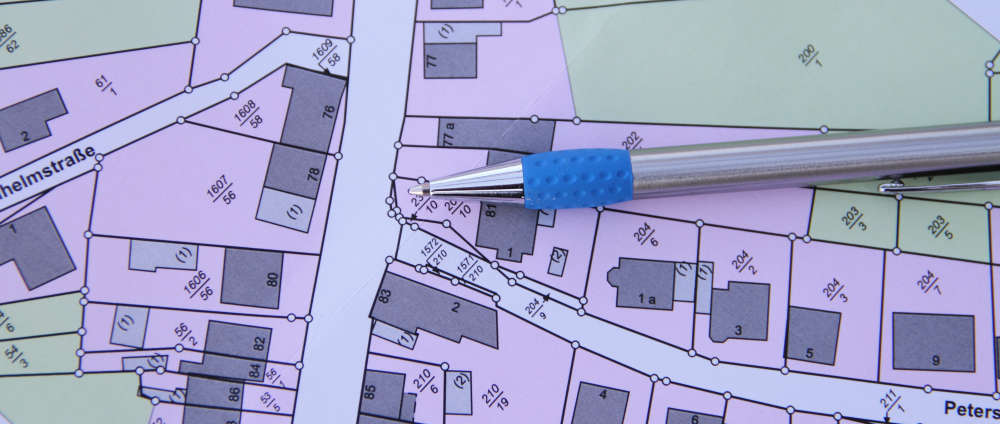
Under Act 181, modifications in Tier 1 zones aimed to accelerate construction, while stricter regulations were proposed for “Tier 3” locations, protecting sensitive ecosystems like headwaters. However, as state officials began sharing draft maps of these zones, significant discontent arose from rural landowners and local housing advocates. They contended that the increased regulations could diminish property values and hinder development, particularly in smaller towns.
In response to the backlash, the Democrat-controlled Senate initially chose to suspend sections of Act 181 in late March. This was later followed by a notable shift from Democratic leaders in the House, who indicated their willingness to repeal the road rule and the more stringent Tier 3 regulations.
In a recent session, lawmakers from both chambers convened to reconcile their differing views on the bill, resulting in modest changes to exemptions for agricultural businesses and adjustments to a forthcoming public engagement strategy on land use policy.
Governor Scott, who previously described Act 181 as ineffective in addressing housing issues, has yet to announce whether he will approve S.325. He has five days to make a decision, once he has the bill in hand after the Legislative voting process concludes.
 Brattleboro hospital weighs federal status as it races to keep birthing center alive
 Explosive Devices Lead to Arrest in Brattleboro Search
 Whitingham homicide defendant gets approval to change lawyers
 Town weighs new traffic plan near Vermont Country Deli
 Vermont man charged after police say bag contained explosive devices


Comments
Add a comment